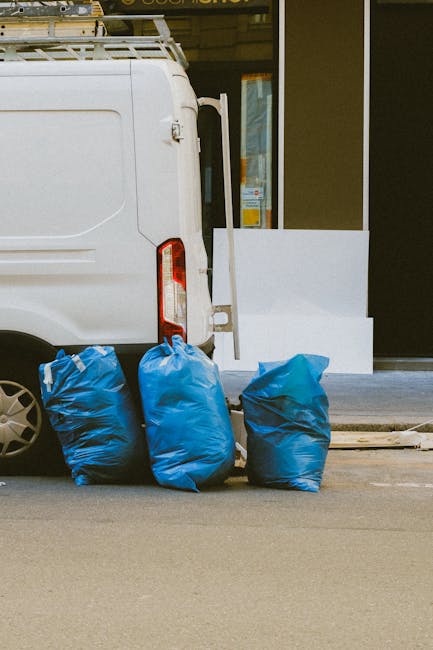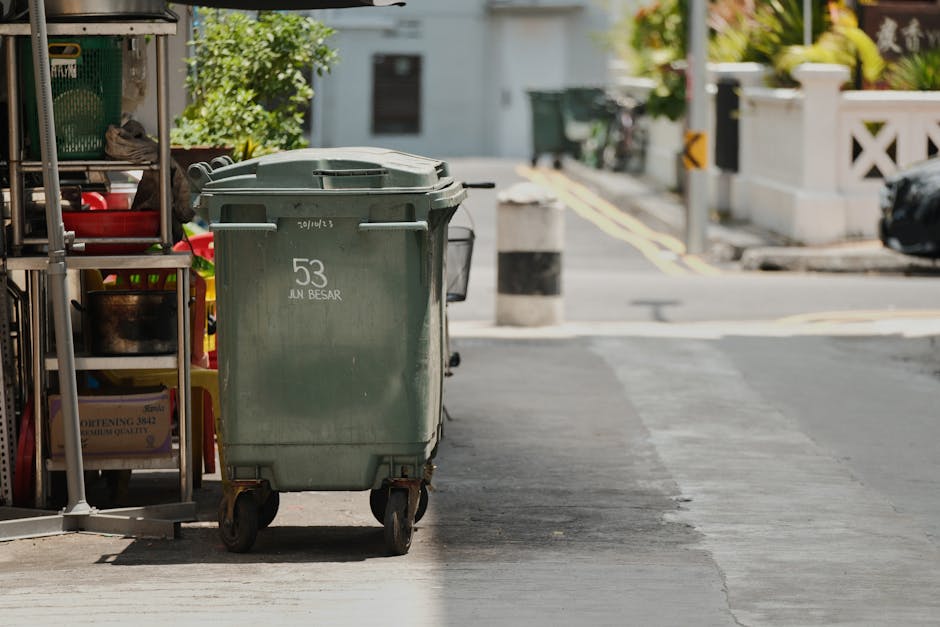
Islington Council rules for cleaning waste disposal: a practical guide for homes, landlords and cleaners
If you live or work in Islington, waste from cleaning jobs can become a messy little problem fast. A bag of dust after a deep clean, a few broken items from a clear-out, or a load of mop water that should never go down the wrong drain - it all needs handling properly. The phrase Islington Council rules for cleaning waste disposal sounds simple, but in practice it touches recycling, collection timing, contamination, bulky waste, business responsibility and good old-fashioned neighbourliness. This guide breaks it down in plain English so you can stay compliant, avoid fines or complaints, and keep your property tidy without making extra work for yourself.
Whether you are a homeowner, tenant, landlord, office manager or professional cleaner, the same core idea applies: sort waste correctly, use the right containers and collection methods, and never treat cleaning waste as if it were all the same. Let's make it straightforward.
Why Islington Council rules for cleaning waste disposal Matters
Cleaning waste is not just "rubbish". It can include dust, packaging, empty bottles, cloths, vacuum contents, food residue, broken fixtures, garden debris, and sometimes items that need special handling. In a borough like Islington, where space is tight and bins fill quickly, getting disposal wrong creates problems fast: overflowing bins, bin stores that smell, blocked access for collection crews, and sometimes a complaint from neighbours or a managing agent.
It also matters because the rules help separate ordinary household waste from recyclable materials and from items that need a different route entirely. If you have ever finished a spring clean and stared at a pile of mixed rubbish bags, cardboard, old sponges, and a battered chair leg, you will know the temptation to just "deal with it later". To be fair, later is usually when the trouble starts.
For businesses, the issue is even more important. Offices, shops, cleaning contractors and landlords all have a duty to manage waste responsibly. That includes storing it safely, using the right collection process and making sure anything removed from a property is passed on through lawful channels. A missed step can lead to operational hassle and, in some cases, reputational damage too.
There is also a practical side. Good waste handling makes cleaning faster, cheaper and calmer. The work flows better when waste is sorted as you go instead of being dumped in one heap at the end. That is especially true for services such as deep cleaning, end of tenancy cleaning and after builders cleaning, where the waste stream can vary from ordinary dust to packaging, plaster debris and old fittings.
Expert summary: the safest approach is to treat every type of cleaning waste separately at source, then choose the disposal route based on what it is, how much there is, and whether it could be recycled, reused or needs special handling.
How Islington Council rules for cleaning waste disposal Works
At a high level, the system is simple: put the right waste in the right place, and make sure it leaves the property through the correct collection or disposal route. In reality, the details depend on whether the waste is household, commercial or bulky; whether it is recyclable; and whether it is contaminated with cleaning chemicals, food residue, broken glass or sharp material.
For most homes, regular cleaning waste should go into the appropriate household bins, with recyclables separated if possible. That means keeping dry recyclables clean and uncontaminated, and not mixing them with wet or greasy waste. A cardboard box from a delivered cleaning product, for example, should not be soaked with bleach or food waste if you want it to be recyclable.
For larger clear-outs, there may be a bulky waste route or a pre-arranged collection service. This is where people often get caught out. A sofa, mattress, broken shelving unit or a stack of old cleaning equipment is not the same as everyday rubbish. You need to think about collection size, access, lifting safety and whether the item should be reused, repaired, donated or disposed of.
Professional cleaners and landlords should also think about consent and ownership. Waste removed from a property must belong to the person authorising its disposal. That sounds obvious, but you would be surprised how often a cleaner is asked to "just take it" without clear agreement. In a tenant turnover, for example, one person's unwanted clutter may still be another person's belongings.
If your cleaning job creates wastewater, such as from carpet or upholstery work, that is a separate issue again. Dirty extraction water should be managed safely and responsibly, not tipped in a way that could cause blockage, pollution or odour problems. If you need specialist help, services such as carpet cleaning and upholstery cleaning should always be carried out with proper disposal of residues and waste water in mind.
Here is the simple logic most households and professionals can follow:
- Identify the waste type.
- Separate recyclable, reusable and general waste.
- Check whether the item is bulky, sharp, contaminated or hazardous.
- Use the right bin, bag, collection point or disposal route.
- Keep records if you are dealing with business waste or contractor waste.
Key Benefits and Practical Advantages
Following the rules is not just about avoiding hassle. Done properly, it creates very real day-to-day benefits.
- Cleaner communal areas: less mess in bin stores, hallways and loading spaces.
- Lower contamination: recyclables stay usable when they are kept clean.
- Fewer smells and pests: mixed waste and food residue are handled properly.
- Less risk of complaints: neighbours and building managers are less likely to object.
- Smoother property handovers: especially useful for landlords and tenants at the end of a tenancy.
- Safer manual handling: waste is moved in stages instead of being overloaded into one trip.
There is also a less obvious benefit: better judgement under pressure. Once you know what can go where, you stop improvising. That matters on busy cleaning days when the dust is thick, the bag count is climbing, and everyone wants the job finished by lunchtime. The process becomes calmer. Strange but true.
If you are running a home, the same logic makes the weekly routine easier. If you are managing a commercial site, it helps with housekeeping standards. And if you are a cleaning contractor, it supports your professionalism. A well-run cleaning company should always think about waste prevention and disposal as part of the service, not as an afterthought. That mindset ties closely to broader sustainability work too, which is why many households and businesses also look at recycling and sustainability guidance when planning ongoing cleaning routines.
Who This Is For and When It Makes Sense
This guidance is useful for more people than you might expect.
Homeowners and tenants need it when doing a deep clean, moving out, clearing cupboards or getting rid of items that have built up over time. Even everyday cleaning can produce more waste than you realise.
Landlords and letting agents need it during changeovers, especially when a property has been left with unwanted items, damaged furnishings or a mix of household waste and leftover belongings. End-of-tenancy jobs can turn untidy quickly.
Office managers and facilities teams need it because office cleaning often creates packaging waste, paper waste, sanitary waste and bulky items from refresh projects. If you are already arranging office cleaning or office cleaners, waste handling should be part of the plan, not a separate headache on Friday afternoon.
Builders and refurbishment teams need it after work involving dust, rubble, offcuts and packaging. This is where after-care matters, because a room can look clean at a glance while still hiding heavy waste and sharp debris under the surface.
Professional cleaners need it every day. A cleaner who understands waste disposal is generally faster, safer and far less likely to cause a problem for the client. That is particularly relevant for one-off cleans, house clearances and post-renovation work. For larger jobs, it may be more sensible to pair cleaning with a proper house clearance plan rather than trying to do everything in one sweep.
Step-by-Step Guidance
If you want a practical routine, use this:
1. Sort waste as you clean
Do not leave sorting until the end. Put general waste, recyclables and bulky items into separate piles or bags from the beginning. It saves time and reduces contamination.
2. Keep hazardous or questionable items aside
If something has chemical residue, broken glass, sharp metal or possible biological contamination, treat it carefully and separate it from everyday rubbish. The same applies to old aerosols, paint tins or cleaning products that are still partly full. If you are not sure, pause and assess before moving on.
3. Empty liquids safely
Do not pour random cleaning liquids, dirty water or strong chemical mixtures into drains unless you know it is appropriate and safe to do so. Small amounts of plain dirty water from routine mopping are one thing; chemical waste is another. If you run a business, be extra careful here.
4. Flatten and bag the waste properly
Cardboard should be flattened. Rubbish bags should not be overfilled. Sharp edges should be wrapped. Heavy items should be split into manageable loads. It sounds basic because it is basic, and basic is what keeps jobs moving.
5. Identify bulky waste early
If you know there is a mattress, broken furniture, old shelving or a pile of clearance waste, plan for it before the clean starts. Bulky waste left until the last minute is how jobs overrun.
6. Arrange the right collection route
Depending on the waste type, that may mean using normal collections, a booked bulky item collection, a private removal service or a specialist disposal route. Match the route to the waste, not the other way round.
7. Confirm what will stay and what will go
For any client job, always agree what is being removed. A quick written note, text or job sheet is worth its weight in gold here. It prevents awkward conversations later. Nobody enjoys standing in a hallway pointing at a chair and asking, "Was that meant to stay?"
Expert Tips for Better Results
After a lot of cleaning jobs, a few habits stand out as genuinely useful.
Use two bags, not one. One for general waste and one for recycling or lighter dry waste. It is a small thing, but it stops contamination when the pace picks up.
Label the awkward bits. If a mixed waste pile contains items that need special handling, mark it clearly. A quick label saves guesswork.
Protect the bin area. In shared buildings, a clean bin store is easier to maintain than a dirty one. Wipe down lids and door handles, and keep floors dry where possible.
Think about timing. If you are doing a large clean, try to clear waste in stages rather than at the very end of the day. Early removal keeps the space usable and reduces the chance of spillages or odours lingering through the evening.
Do a final sweep before disposal. Check bags for items that can be reused or recycled. Sometimes a nearly new storage box, a clean towel, or a usable organiser gets thrown away by accident. Happens all the time.
Keep your cleaning workflow aligned. If you are combining waste disposal with a deeper service, such as domestic cleaning or one-off cleaning, plan the clean in sections so waste does not build up in your path.
Common Mistakes to Avoid
Most waste-related problems come from a handful of repeated mistakes. Here are the big ones.
- Mixing recyclables with food or liquid waste. That ruins the load.
- Leaving bags open or loose. They split, smell or attract pests.
- Assuming everything from a clean can go in the same bin. It rarely can.
- Ignoring bulky items until the end. This creates delays and access issues.
- Pouring dirty water down unsuitable drains. That can cause blockages or mess.
- Throwing away property without permission. A very avoidable mistake, and a tricky one if it happens.
- Overfilling bins. Lids not closing properly usually leads to a mess. Then the bin crew has to deal with it. Not ideal.
If you are working in a rental property, another common issue is assuming the tenant has abandoned everything. That may be true, but you still need a clear process before removing items. When in doubt, document what was found and what was agreed. A minute spent on this can save a lot of grief later.
Tools, Resources and Recommendations
You do not need fancy equipment to manage cleaning waste well, but a few simple tools make a huge difference.
| Tool or item | Why it helps | Best for |
|---|---|---|
| Sturdy bin liners | Reduces splitting and leakages | General cleaning waste |
| Recycling sacks or separate bags | Keeps dry recyclables clean | Paper, cardboard, clean packaging |
| Labels or marker pen | Helps identify mixed or fragile waste | Shared buildings, contractor jobs |
| Gloves and basic PPE | Supports safer handling | Dusty, sharp or contaminated waste |
| Covered tubs or lidded containers | Stops spillages and odours | Wet waste and cleaning residues |
| Trolley or sack truck | Makes heavy waste easier to move | Bulky loads and larger properties |
From an operational point of view, it also helps to choose a cleaning provider that treats waste carefully from the outset. If you are comparing options for a busy household or workplace, look at how a provider handles job planning, waste separation and final handover, not just the visible shine. A well-run cleaning company should be able to explain its process clearly.
For some jobs, the right answer may be specialist cleaning rather than "more bin bags". For example, a greasy oven, worn carpet or heavily used sofa can create waste that is better handled as part of a dedicated service like oven cleaning, carpet cleaning or sofa cleaning. That may sound obvious, but people often try to do everything in one pass and end up wasting time.
Law, Compliance, Standards, or Best Practice
Without drifting into legalese, the safest approach in the UK is to follow the general principles of responsible waste management: prevent waste where you can, separate it properly, store it safely, and dispose of it through the correct route. For businesses, that normally means keeping a clear chain of responsibility and avoiding any informal "just take it away" arrangements.
If you are a cleaner, landlord or facilities manager, the best practice is to treat waste handling as part of the service specification. Spell out what waste will be removed, who authorises it, and how anything bulky or unusual will be dealt with. That protects everyone involved and makes the job more transparent.
For properties with shared bins or communal storage, it is also wise to respect building rules and local access arrangements. A tidy bin store, properly tied bags and correct separation can make a big difference to how the whole building feels. Quietly, almost invisibly, it keeps things running.
If chemicals are involved, use the product directions and common sense. Do not mix substances. Do not decant them into unlabelled containers. And do not dispose of leftovers in a casual way just because the bottle is nearly empty. A bit of caution goes a long way.
Options, Methods, or Comparison Table
There are usually several ways to deal with cleaning waste. The right choice depends on the waste type, quantity and urgency.
| Method | Best for | Pros | Limitations |
|---|---|---|---|
| Routine household bin disposal | Everyday cleaning waste | Simple, familiar, low effort | Not suitable for bulky or contaminated items |
| Recycling separation | Clean cardboard, paper, packaging | Reduces landfill waste | Contamination can ruin the load |
| Bulky waste collection | Furniture, large household items | Convenient for bigger items | Needs planning and correct booking |
| Clearance service | Large or mixed disposal jobs | Useful when time is tight | May be unnecessary for small jobs |
| Specialist handling | Chemicals, sharp waste, unusual residues | Safer and more controlled | Not always needed for ordinary cleaning |
For a small flat, normal separation is often enough. For a post-tenant or refurbishment job, a clearance route is usually more realistic. For offices, the answer may sit somewhere in between, especially if the waste comes in waves rather than all at once. Truth be told, there is no one-size-fits-all answer.
Case Study or Real-World Example
Picture a typical Islington flat after a long tenancy. There is dust under the skirting boards, a few broken hangers, a box of old cleaning products, packaging from a replacement shower rail, and a small pile of unwanted items left behind in a bedroom cupboard. Nothing dramatic. But if you throw it all into one bag, you end up with mixed waste that is harder to sort, heavier to lift and more annoying to dispose of properly.
Now picture the same job handled well. The cleaner separates cardboard from general waste, keeps the old spray bottles aside for careful disposal, bags dust and debris in manageable loads, and confirms with the tenant or landlord which remaining items are to be removed. The flat is left clean, the bin area stays tidy, and there is no last-minute panic over what can or cannot go out.
That difference is why waste handling matters. It is not glamorous, obviously. No one brags about neatly sorted rubbish over tea. But it changes the whole rhythm of the job. The property feels more under control, and the people involved feel less stressed.
If the job is larger, combining cleaning with a service like house cleaning or house clearance can help keep the process orderly from start to finish.
Practical Checklist
Use this before, during or after a cleaning job:
- Have I separated recyclables from general waste?
- Are any items bulky, sharp, wet or contaminated?
- Have I checked whether anything needs owner permission before removal?
- Are all bags tied, labelled and manageable to lift?
- Have I avoided mixing cleaning chemicals?
- Is wastewater being handled safely?
- Do I need a bulky collection or clearance route?
- Is the bin store or disposal area left clean?
- Have I kept useful records or job notes for business waste?
- Have I thought about reuse before disposal?
If you can answer "yes" to most of those, you are probably in good shape. If not, slow down a little and tidy the process first. It will usually save time in the end.
Get a free quote today and see how much you can save.
Conclusion
The real point of Islington Council rules for cleaning waste disposal is not to make life difficult. It is to keep homes, shared buildings and workplaces safe, tidy and manageable. Once you break the process into clear steps - sort, separate, store, dispose - it becomes much easier to handle without stress.
For everyday cleaning, good habits are usually enough. For deep cleans, end-of-tenancy jobs, office clear-outs and bigger clearances, a bit of planning makes all the difference. And if you are ever unsure, it is better to pause and check than to rush and create a mess you have to fix later. A calm, careful approach tends to win in the long run. Funny how that works.
Above all, remember that waste handling is part of the cleaning itself. Not the unpleasant extra. Not the afterthought. Part of the job, and an important one.
Frequently Asked Questions
What are the Islington Council rules for cleaning waste disposal in simple terms?
In simple terms, you should sort cleaning waste properly, keep recyclables separate when possible, use the correct bin or collection route, and avoid dumping bulky or contaminated items with ordinary household rubbish.
Can I put cleaning product bottles in the recycling bin?
Only if the packaging is suitable and reasonably clean. If bottles still contain liquid, residue or strong chemicals, they may need different handling. Always avoid contaminating recyclable waste with leftover product.
What should I do with dirty water after cleaning?
Small amounts of ordinary dirty water from routine mopping are one thing, but chemical-heavy or contaminated wastewater should be handled carefully. Do not pour unknown mixtures into drains without checking that it is safe and appropriate.
Is bulky waste part of normal cleaning waste disposal?
Not usually. Bulky items such as furniture, mattresses or large fixtures generally need a separate plan, collection or clearance route. Leaving them until the end of a clean is a common mistake.
Do tenants or landlords decide what gets thrown away?
It depends on ownership and permission. If items clearly belong to the tenant and the tenant agrees they can be removed, that is straightforward. If there is any doubt, confirm it first and keep a note of the agreement.
Can professional cleaners remove everything from a property?
Only if the removal has been agreed and the waste can be disposed of properly. A professional cleaner should not assume they can take and discard belongings without clear instruction.
What is the safest way to handle waste during an end-of-tenancy clean?
Sort waste as you go, separate anything reusable, keep bags manageable, and confirm what should stay and what should go before the final sweep. End-of-tenancy jobs are much smoother when this is agreed early.
Do office cleaning jobs create different waste issues from home cleaning?
Yes. Offices often produce more packaging, paper, sanitary waste and items from refresh projects. They may also have stricter building rules, so disposal needs a bit more coordination.
When should I choose a clearance service instead of bin disposal?
If you have a large volume of waste, bulky items, mixed rubbish or time pressure, a clearance route is often more practical. For smaller, routine cleaning waste, normal disposal is usually enough.
How can I reduce waste during regular cleaning?
Use reusable cloths where appropriate, avoid overusing disposable items, buy products in sensible quantities, and sort waste as you clean. Small habits add up, especially over time.
What are the biggest mistakes people make with cleaning waste?
The biggest mistakes are mixing recyclables with contaminated waste, overfilling bags, leaving bulky items too late, and removing items without permission. Those are the ones that usually cause the headaches.
Who should I contact if I need help with a larger cleaning job?
If you need help with a bigger clean, a professional team can handle the cleaning and help plan the waste process properly. For service details or a tailored quote, you can visit the relevant pages on the site and choose the support that fits your property.